Table of contents
The rise of artificial intelligence (AI) is transforming the educational landscape, ushering in an era where learning experiences can be tailored to each student’s unique needs. As classrooms become more diverse and digital tools increasingly widespread, the potential of AI to deliver customized instruction and adapt to individual learning styles has never been greater. Dive into the following sections to uncover how AI is reshaping personalized education, the challenges it faces, and what this means for learners and educators alike.
Understanding personalized education
Personalized education refers to an approach where instructional strategies, content, and pacing are tailored to each student's unique needs, abilities, and interests. Artificial intelligence plays a key role in this domain by leveraging learning analytics and adaptive learning tools to continuously refine and adjust lesson plans, ensuring that each learner profile is addressed with precision. Within digital classrooms, AI can monitor progress, identify gaps, and recommend resources that align with both the student's current level and preferred learning styles, making the experience truly student-centered. Differentiation becomes seamless as the system analyzes data from multiple inputs, including assessments and participation, to create dynamic learner profiles that guide educators in making informed decisions. This method not only increases student engagement by maintaining interest and motivation, but also demonstrates marked improvements in learning outcomes, as pupils progress at a pace and depth suited to their evolving competence.
How AI customizes learning content
AI algorithms have significantly advanced data-driven education by enabling highly personalized instruction for each learner. Using content curation engines, these systems analyze vast amounts of student data, such as learning pace, accuracy on assessments, and engagement patterns. This analysis allows the AI to identify strengths and gaps in an individual's knowledge. The content recommendation function then selects targeted resources or activities, adapting to the evolving needs of each student. For example, if a student struggles with a specific mathematical concept, the AI might immediately suggest supplementary videos, interactive exercises, or alternative explanations that suit the learner's preferred style.
Real-time feedback is another key aspect of AI-driven personalized instruction. As students interact with digital materials, the system continuously monitors their progress and provides instant feedback, guiding them through misunderstandings and reinforcing correct responses. This immediate response loop ensures learners remain engaged and motivated, while allowing educators to track progress at a detailed level. By integrating AI algorithms and advanced content curation engines, educational platforms deliver a dynamic, adaptive learning experience, supporting diverse learning needs and ultimately optimizing educational outcomes.
Benefits for diverse learners
AI-driven personalized education has transformed the landscape of inclusive education by responding dynamically to learning diversity and ensuring accessibility for all students. Through advanced algorithms and universal design for learning, these systems analyze individual student data to adapt teaching methods, pace, and content, making lessons engaging and effective for learners with a range of backgrounds and abilities. This approach allows students with special needs to receive targeted support, such as real-time feedback, alternative formats, and flexible assessment tools, which can be especially helpful for those with disabilities or language barriers.
Traditional classrooms often struggle to accommodate the broad spectrum of learning preferences and requirements found among students. In contrast, AI-powered platforms foster an environment where individualized learning is standard practice, promoting equity and reducing achievement gaps. By continuously assessing progress and adapting to each student's strengths and challenges, these systems create a more inclusive environment in which every learner can access material and demonstrate understanding in ways that suit their unique profiles.
Furthermore, the integration of universal design for learning principles within AI platforms enhances special needs support by proactively designing curricula that offer multiple means of engagement, representation, and expression. This not only benefits students with specific challenges but also supports the entire classroom, as all learners experience content that is tailored to varying needs. As educational institutions increasingly adopt these technologies, the potential for more accessible and personalized educational experiences continues to grow, setting new standards for inclusivity and success in diverse learning communities.
Challenges and limitations
Implementing AI in personalized education presents a variety of challenges that must be carefully considered by educators and policymakers. A primary concern involves data privacy, as the collection and processing of student information for adaptive learning models may expose sensitive data to security risks. Maintaining algorithmic transparency becomes vital to ensure that students and educators understand how decisions are made by AI systems, especially when addressing AI limitations such as lack of interpretability. Algorithmic bias remains another significant issue, as AI systems trained on skewed or non-representative data can inadvertently reinforce stereotypes or unequal learning outcomes. Such ethical concerns require robust oversight and continuous evaluation to mitigate potential negative effects on learners.
Technology access disparities further complicate the integration of AI-driven solutions in education. While these technologies have the potential to advance personalized learning, limited infrastructure in underserved communities can widen educational inequalities. Ensuring equitable technology access and providing adequate teacher training are necessary steps to bridge these gaps. Moreover, clear regulatory frameworks and collaboration with stakeholders are essential to safeguard against misuse and support responsible innovation in educational AI tools.
Efforts to address these challenges include the development of ethical guidelines, regular audits for bias, and investments in secure data management practices. Organizations at the forefront of educational innovation, such as eduboost, exemplify how AI platforms can implement practices that prioritize data protection, fairness, and transparency. By adopting such approaches, the educational sector can better harness the benefits of AI while minimizing associated risks.
The future of AI in education
As educational technology trends continue to accelerate, the future of education is poised for transformation through the integration of advanced analytics and predictive modeling. These AI-driven tools are enabling schools to analyze student data with unprecedented precision, allowing for highly tailored learning experiences that adapt in real-time to individual progress and needs. Predictive analytics can help identify students at risk of falling behind or excelling, enabling educators to intervene or provide enrichment at the optimal moment. This data-driven approach is fostering next-generation learning environments that are more responsive and effective than traditional models, with technology in schools now supporting not only academic achievement but also social and emotional development.
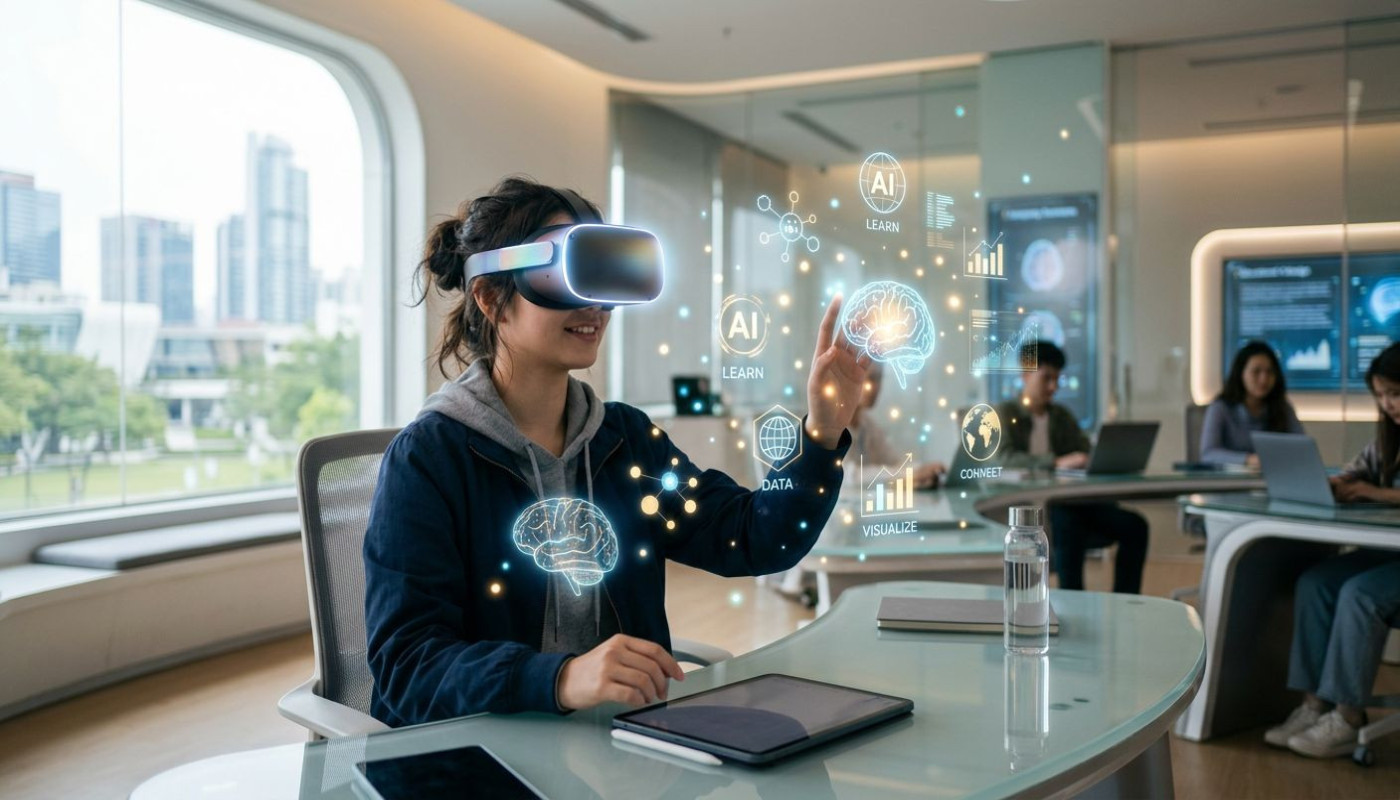
Looking ahead, the evolution of personalized education through AI signals a future where the boundaries of classroom learning are increasingly flexible. Predictive modeling can facilitate adaptive curricula, automatically adjusting content difficulty and pacing to suit each learner’s style and capabilities. The future of education may also see immersive technologies, such as virtual and augmented reality, combined with AI to create dynamic, interactive experiences that enhance engagement and retention. As these innovations become widespread, the role of educators is expected to shift toward mentorship and facilitation, leveraging AI insights to support and empower students in new ways, ultimately redefining technology in schools for the decades to come.
Similar